
Uncategorized
Rent a Room Relief for Your Garden Annexe
Jul
For homeowners searching rent a room relief garden annexe, the potential tax saving is understandably attractive. However, the key question is not simply whether there is a tenant in your back garden. It is whether the accommodation, your use of the main house and the letting arrangement meet the conditions of Ireland’s Rent-a-Room Relief scheme.
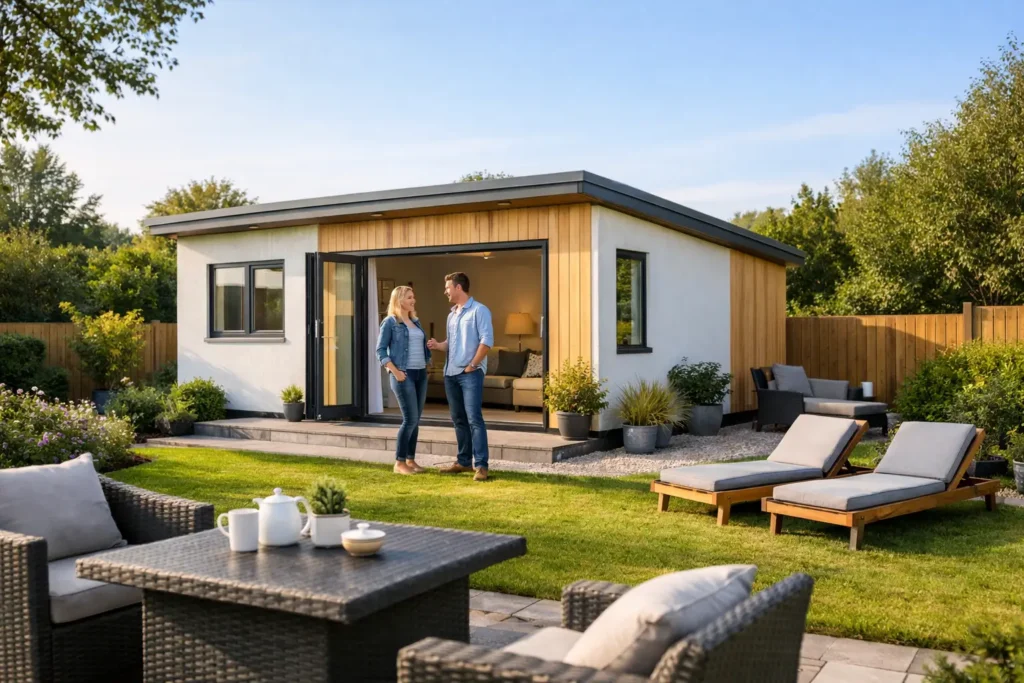
A well-designed 45 m² permanent home can create valuable independent accommodation for a family member or, where appropriate, a long-term tenant. But tax treatment, planning status and Building Regulations are separate matters. Looking at each one early helps you make a sound decision and avoids building around assumptions.
What Rent-a-Room Relief is designed to cover
Rent-a-Room Relief is intended to support homeowners who let accommodation in their only or main residence. Subject to the scheme’s conditions, qualifying gross rental income of up to €14,000 in a tax year may be exempt from Income Tax, USC and PRSI.
The €14,000 figure is a threshold, not an allowance. If qualifying rental receipts go over the limit, the relief may not apply to any of that rental income for the year. Charges connected with the letting, such as utilities or meals where relevant, can also form part of gross receipts. This makes clear records essential from the first payment.
For a room within the family home, the principle can be relatively straightforward. A separate annexe requires closer consideration, particularly where it is detached from the principal private residence and capable of functioning as an independent home.
Can a garden annexe qualify for Rent-a-Room Relief?
It depends on the specific layout and legal status of the accommodation. Rent-a-Room Relief generally requires the room or rooms to be in your only or main residence. Revenue guidance has allowed relief in certain cases involving self-contained accommodation that is attached to the main residence, provided the other conditions are met.
A detached 45 m² home at the rear of a property is not automatically treated in the same way. Its separate entrance, services, kitchen, bathroom and independent day-to-day use may all be relevant when assessing whether it forms part of the principal private residence for the purposes of the relief.
That does not mean a detached annexe cannot provide worthwhile rental accommodation. It means you should not promise a tenant, set a rental budget or rely on a €14,000 tax-free figure until a suitably qualified tax adviser has reviewed your circumstances. The distinction matters because a permanent, self-contained home is a different proposition from a spare bedroom within the main house.
Questions to resolve before you rely on the relief
Start with how the home will actually be occupied. Will it be used by an adult child, an elderly parent or a long-term tenant? Will the occupier share any facilities with the main home, or will the new dwelling operate wholly independently? Is the property owner living in the main house as their principal private residence?
You should also consider the intended agreement, the rent and any additional payments for bills. A clear written letting arrangement helps establish expectations for both parties, while good records make it easier to account for income correctly.
Most importantly, obtain advice based on the current Revenue rules before proceeding. Tax rules can change, and personal circumstances matter. This is practical planning, not pessimism: it gives you a realistic view of the income and tax position from the outset.
Planning exemption and rental tax are not the same test
It is easy to join the two issues together, but they answer different questions. A project may potentially qualify for a planning exemption only where all applicable conditions are satisfied. That assessment does not decide whether rental income qualifies for Rent-a-Room Relief.
Likewise, a rental arrangement that may be acceptable for tax purposes does not establish that a new home can be built without planning permission. Site size, the location of the proposed building, access, drainage, private open space, use and local planning considerations can all affect the outcome.
For this reason, every project should begin with a site-specific review. A-Rated Houses can help homeowners understand the practical requirements around a 45 m² permanent steel-frame home, but planning and tax eligibility should be confirmed through the appropriate professional channels before work starts.
Build for permanent living, not just a rental figure
Where rental use is being considered, the quality of the home affects far more than its headline rent. A tenant or family member needs a comfortable, healthy place to live throughout an Irish winter as well as in warmer months. Insulation, ventilation, heating performance, airtightness, windows and durable finishes all shape the lived experience and the ongoing cost of occupation.
A permanent 45 m² steel-frame home can be designed around proper residential use, with a fitted kitchen, bathroom, living area and bedroom accommodation. High-performance insulation and carefully selected windows help support stable indoor temperatures, while efficient heating and renewable-energy options can help manage energy demand.
The exact BER outcome depends on the final specification, orientation, services and assessment. Even so, putting energy performance at the centre of the design can support lower running costs and year-round comfort. That is valuable whether the home is occupied by a tenant, a parent or an adult child.
Compliance protects everyone involved
If a new dwelling is being created, applicable Irish Building Regulations remain central to the project. They cover far more than insulation. Fire safety, ventilation, structure, drainage, electrical installation and access are all part of delivering a safe, durable home.
A turnkey approach makes these elements easier to manage because the structure, insulation, internal finishes, kitchen, bathroom and building services are planned as one coordinated package. It also makes the specification clearer when discussing the home with an adviser, lender, insurer or potential occupier.
Avoid treating independent accommodation as a quick addition to the property. A permanent home deserves the same thoughtful approach to layout, comfort and compliance as any other residence.
Assess the financial picture honestly
Potential rental income can help offset the cost of a new home, but it should be assessed alongside the full project budget. Include site preparation, utility connections, drainage requirements, professional advice, fit-out choices, insurance and ongoing maintenance. The level of rent achievable will depend on local demand, location, condition and the terms of the letting.
It is also sensible to consider periods when the home may not be rented. Some homeowners decide that the primary value is flexibility: a parent can move in later, an adult child can have a secure base, or the space can support changing family circumstances. Rental income may be a benefit, but it need not be the sole reason for investing.
If Rent-a-Room Relief is confirmed as available, it can improve the financial case. If it is not, you can still make an informed decision by modelling taxable rental income and the responsibilities that accompany being a landlord. The important point is to use figures that reflect your own situation rather than a generic online example.
A sensible route from idea to occupation
Begin with the intended use of the annexe and the needs of the person who may live there. Then establish whether the proposed site and home can meet planning and regulatory requirements. At the same time, ask a tax adviser to assess the proposed arrangement against the current Rent-a-Room Relief conditions.
Once those foundations are clear, focus on the specification. A compact 45 m² home benefits from efficient planning, generous natural light, well-considered storage and high-performing fabric. Choosing the right level of insulation, heating, ventilation and renewable-energy options can make a meaningful difference to everyday comfort and future bills.
A garden annexe can be a practical long-term asset when it is treated as a real home from day one. Confirm the tax position before counting the relief, build to the appropriate standard, and create a place someone will be genuinely happy to live in year after year.
